How to Eat a Kumquat

Updated Feb 03, 2026
This post may contain affiliate links. Please read our disclosure policy.
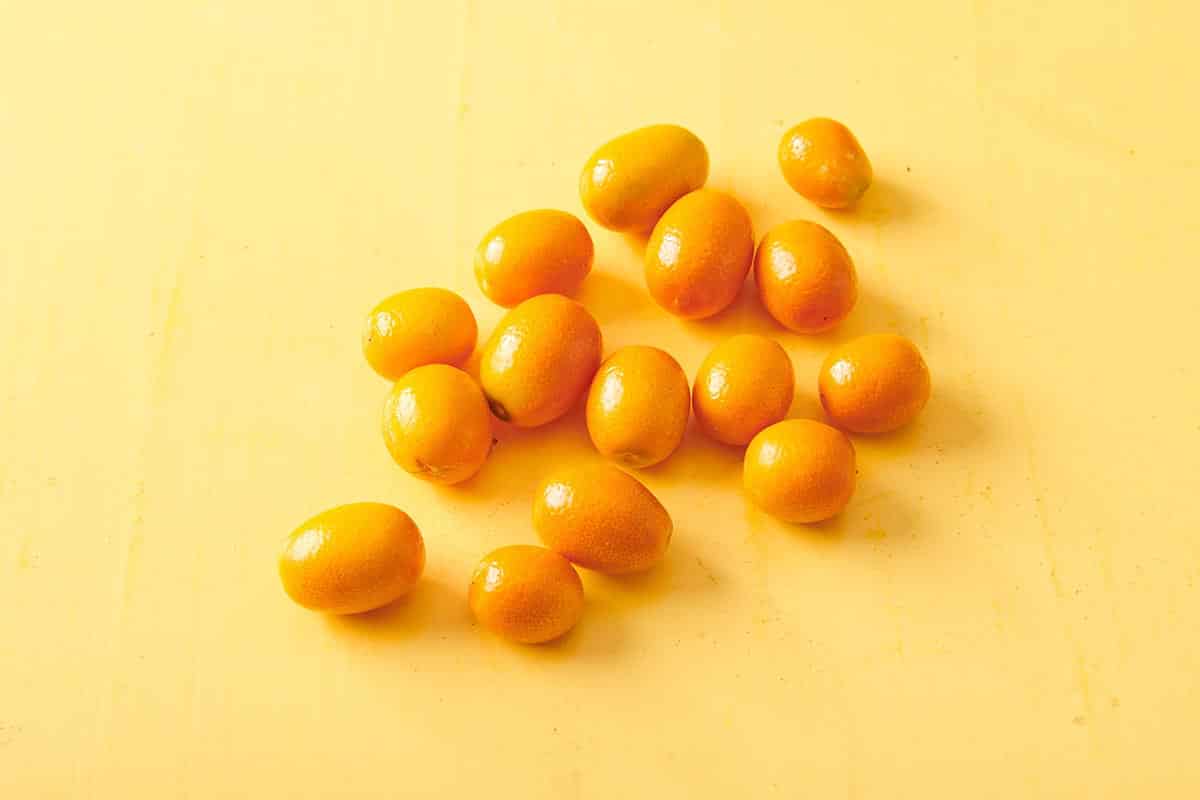
If you’ve ever stood in the produce aisle wondering how to eat a kumquat, you’re not alone. These tiny citrus fruits are meant to be eaten whole — sweet peel, tart center, seeds and all. Kumquats are small, bright citrus fruits with a unique twist: you eat the peel and all. Now you’ll know how to choose, prep, and enjoy kumquats, whether you’re snacking on them raw or adding them to sweet and savory dishes.
What's In This Post?

What Are Kumquats?
Kumquats are a member of the citrus family, which has a bracing citrusy aroma and taste. They are usually a bright orange, with skin resembling that of a larger orange in color and texture. They are much smaller, though, and oval — usually about the size and shape of a large olive.
Kumquats are native to Southeast Asia, and not all that well known in the West, and not all that well known or loved here in the U.S. The name “kumquat” translates from a Cantonese word to “golden orange” or “golden tangerine.” Kumquats were brought from Southeast Asia to Europe in the 1800s and then made their way to the States, where they are now cultivated. Most U.S. kumquats are grown in warmer climes like Florida and California.
By signing up, you agree to our Privacy Policy.
Nagami and Meiwa are the most common types of kumquats found in the U.S., though there are other varieties available. Tart Nagamis are the most available variety here.
Like most citrus fruits, the peak season for kumquats is November to March.
Like most citrus fruits, kumquats are nutritious. They are high in vitamin C antioxidants, low in calories, and have no fat. They are also high in fiber.
They are a burst of flavor: sour, tangy, and a bit sweet. Some varieties are more tart than others.
Bring Out the Kumquat’s Sweetness

Before using kumquats, roll them gently under your palm on the counter. It helps release their natural juices and mellows the bitterness a bit—small step, noticeably better flavor.
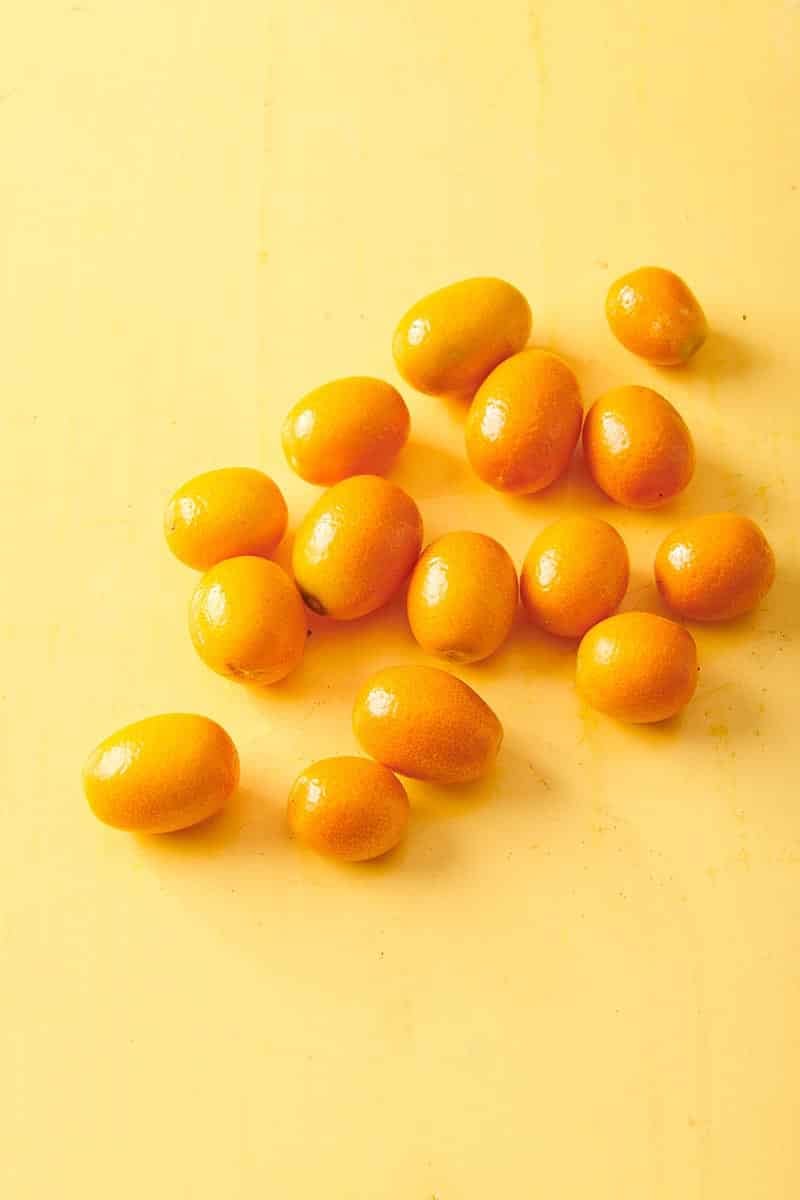
How to Eat a Kumquat
You can eat the whole fruit, peel it if you don’t want the rind, or slice it and add it to fruit salads and cocktails (they can also be muddled into a cocktail — a big favorite amongst my friends). Kumquats are also often made into marmalades and can be pickled and candied.
The juice can also be used in drinks and desserts, though, because of the small size, juicing them is pretty labor-intensive, and unless you have another use for the rinds, it’s not an efficient use of the fruit.

What Goes Well With Kumquats
Kumquats are sweet-tart and a little bitter, which makes them great with both savory and sweet foods. You can eat them whole or slice them thin.
- Meat & Fish: Chicken, pork, duck, shrimp, salmon
- Cheese: Goat cheese, ricotta, cream cheese
- Vegetables: Fennel, carrots, Brussels sprouts
- Herbs & Flavors: Thyme, mint, ginger, honey
- Sweet Uses: Almonds, dark chocolate, vanilla
Easy rule: Kumquats brighten rich foods and add zip to mild ones. Use them raw in salads, cooked into a sauce, or chopped into desserts.
Look for kumquats with a bright orange and consistent color. The skin and flesh should be firm when you press with your fingers, and they should feel heavy for their tiny size. Avoid fruit that looks wrinkled or those with any mold on them.
They are best kept in a plastic bag or the container you bought them in in the fridge. They should last for about a week. Because of their thin skins, they don’t last as long as regular oranges or lemons or limes.
You can and you should! Bit right into the whole fruit. What is interesting about the flavor of a kumquat is that the skin is thinner and sweeter than most citrus fruits, and the inside is much more tart than most oranges. It’s the combination of the skin and the inside that gives this tiny citrus its layered sweet-tart flavor.