How to Eat Guava

on Jan 20, 2026
This post may contain affiliate links. Please read our disclosure policy.
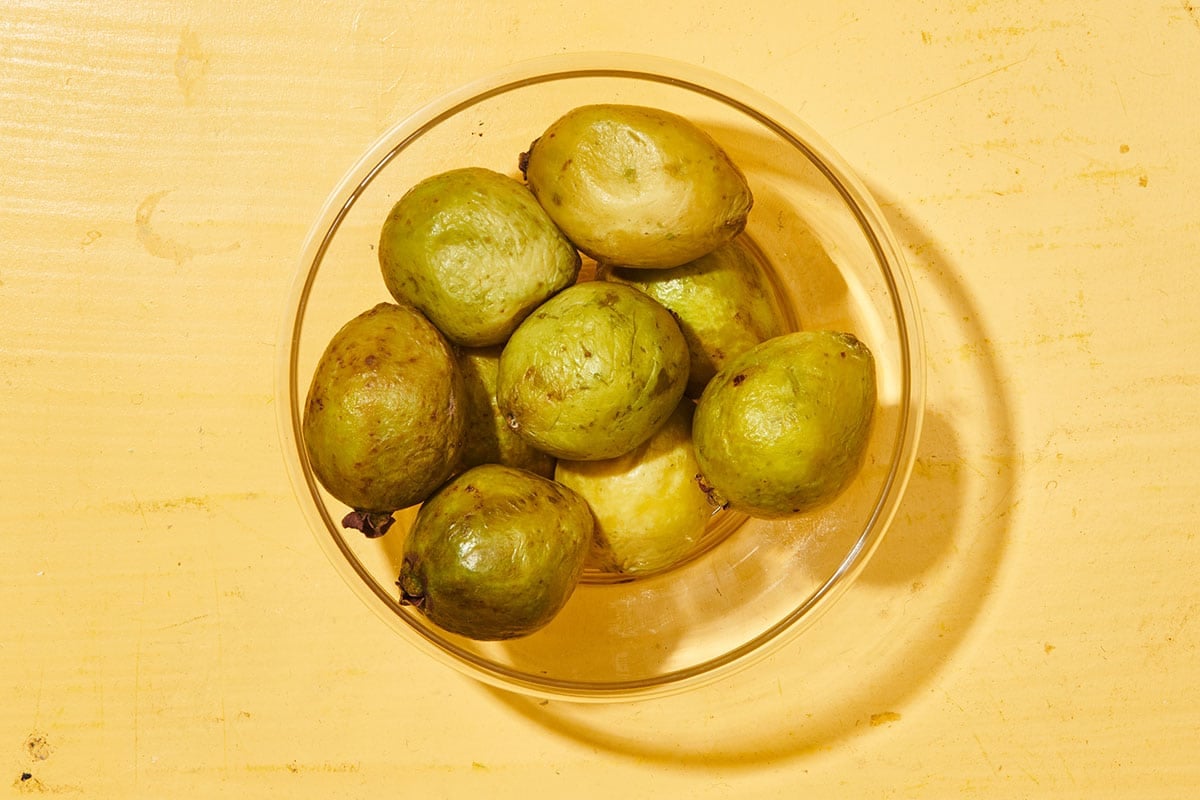
Guava is a tropical fruit commonly seen in drinks and fruit salads. It is native to Central America, the Caribbean, and the northern part of South America. Now it is grown in other tropical regions across the globe.
Many people describe the taste of guava as the hybrid of a pear and a strawberry. Although it tends to be universally sweet, the type of guava determines how sweet it will be. Also, the softer the fruit, the riper it is, and the sweeter it will taste.
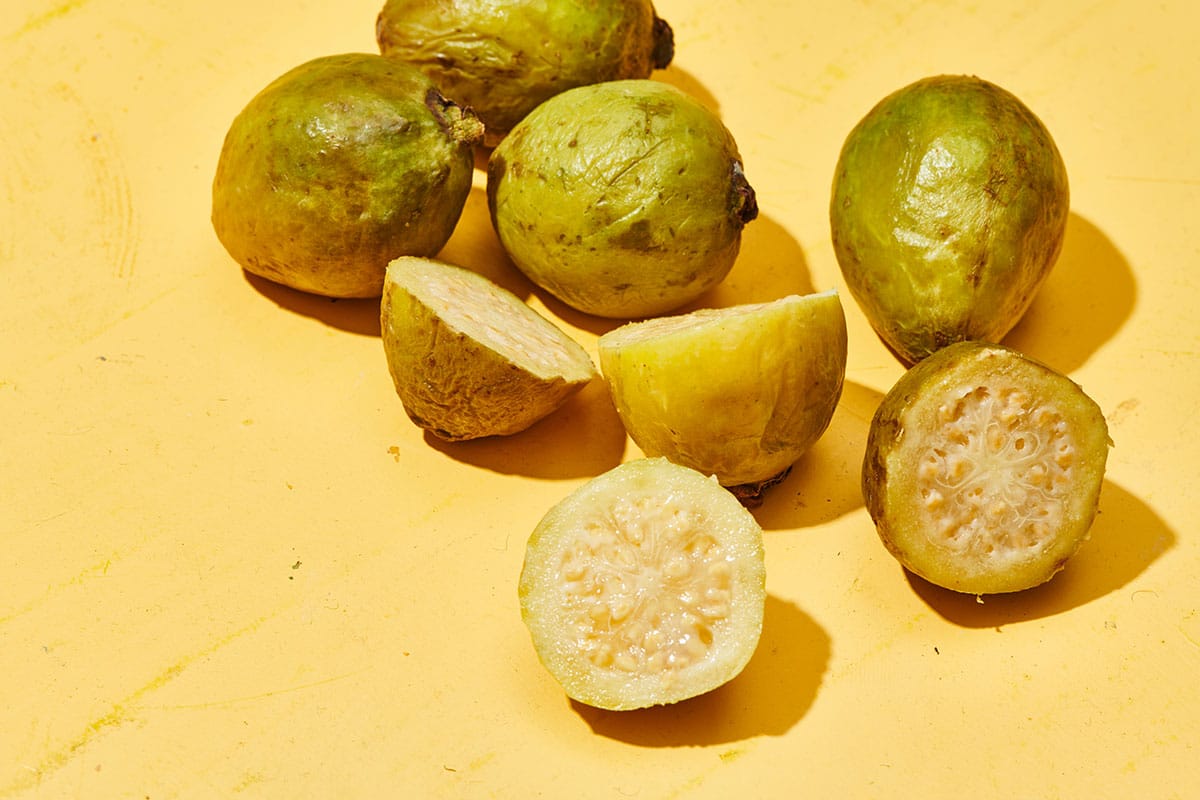
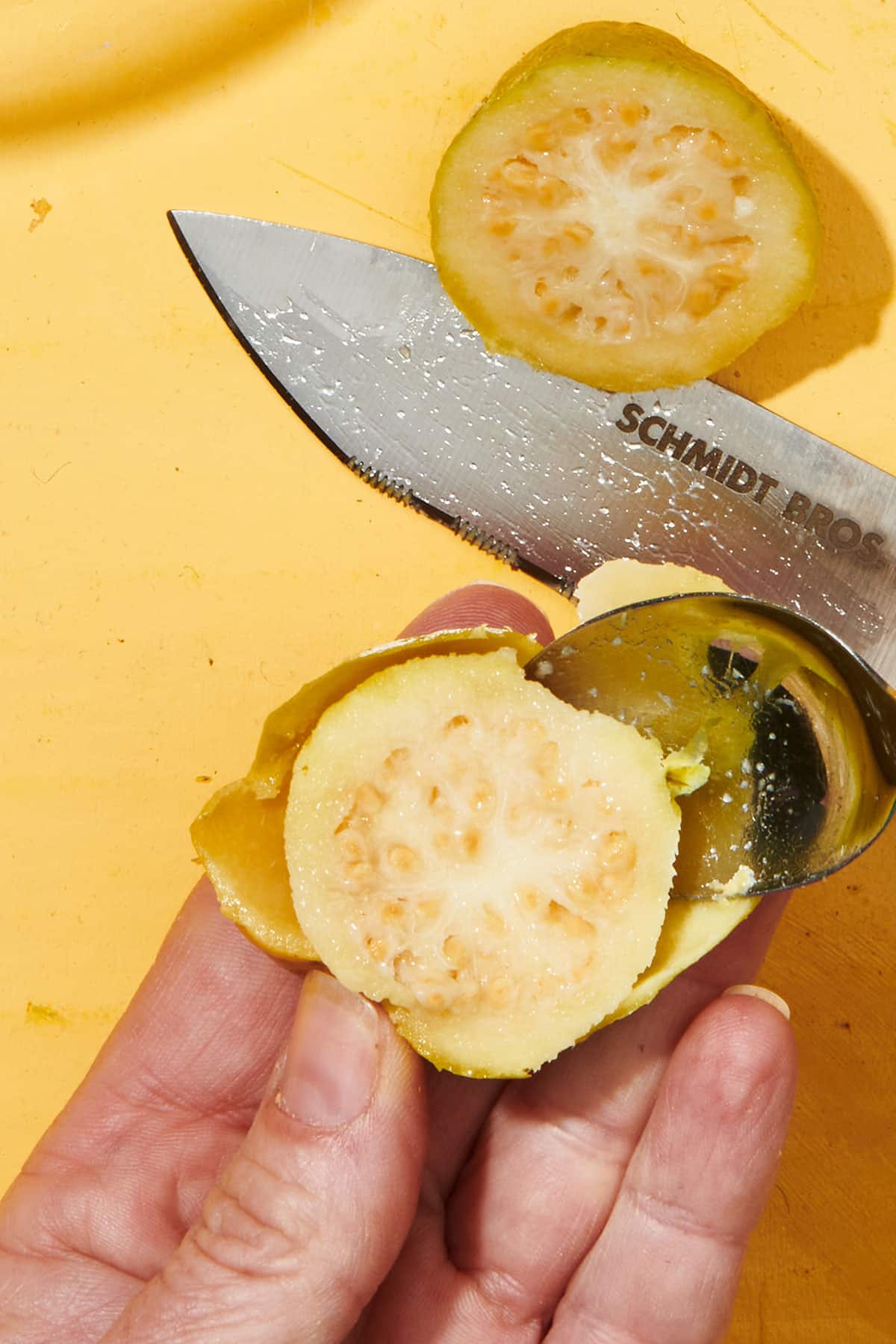
The entire guava (peel and seeds) is edible, so don’t be afraid to take a bite! The inside of a guava can be several colors, including white, pink, and red. The white guavas are known for being denser and having a higher vitamin C content, while the pink guava is softer with a higher water content.
By signing up, you agree to our Privacy Policy.
What's In This Post?
FAQs
During the stages of ripening, guava goes from green to yellow, and the texture changes from extremely hard to much softer. The interior of a guava can range in color from deep red to bright white and anything in between. The fruit is quite round, about the size of a baseball, and has a stem like an apple. The pink guava is also called an apple guava.
Spring is the primary season for guavas, but ripening can extend into summer, depending on the region.
Guava has a lot of nutrients packed into this compact fruit! Guava is high in iron, calcium, potassium, and vitamins A and C. It has a lot of fiber as well, which can aid in digestion. It is believed to lower cholesterol.
Where to Find Guava
Guava can be found in the produce aisle of a grocery store or at farmers markets in some more tropical places. You can also find it in stores that sell tropical fruits, such as Caribbean and South American markets.
Guava juice, paste, and fruit pulp can also be found in natural food stores in the juice aisle or in the “international/ethnic” food section (which is a really ridiculous concept, but it still exists in some markets).
How to Choose Guava
When buying guava, look for yellowish fruit without any bruises or markings. The aroma will also be noticeable in a ripe guava. If you lightly squeeze a ripe guava, it should be soft.
Green guavas are unripe and need to be ripened before eating. They will ripen on a counter and turn yellow as they do. To speed up the ripening, place the fruit in a brown paper bag with a banana and leave it on the counter for a couple of days.
How to Cook With Guava
Guava tends to be eaten uncooked, and it pairs well with other fruits, and even spices and cheeses. Guava is also great when added to salads and fruit salad. Don’t be afraid to add guava to your next smoothie or juice for an extra vitamin boost!
To cook guava into a paste, place the fruit in a pan and add water to cover. Bring to a boil, then lower the heat and simmer until the guavas are tender. Then press the fruit through a mesh strainer to remove the seeds and peel.
Guava is high in pectin, which is a natural thickener, so it is often used to make jams and jellies. These jams and jellies might be enjoyed on toast as is or used in desserts.
Guava paste is also available and can be used as part of a filling in everything from cookies to empanadas. It is also often served on cheese and charcuterie platters.
Substitutes for Guava
While an exact substitute doesn’t exist, a few fruits can take guava’s place in dishes. Since the texture and flavor of guava are so unique, all of the alternatives will have noticeable differences, so just keep that in mind. Strawberries, apricots, or pineapple are the best options for replacing guava if they are out of season or you can’t lay your hands on them.
How to Store Guava
Guava will keep the longest in the produce drawer of the refrigerator. After it is cut, you want to make sure that it remains in an airtight container to avoid drying out too much.
Guavas also freeze well, whether whole or precut, when stored in an airtight container without excess air. Place them in a freezer-proof zipper-top bag, press out any extra air, seal, label, and freeze for up to 4 months.